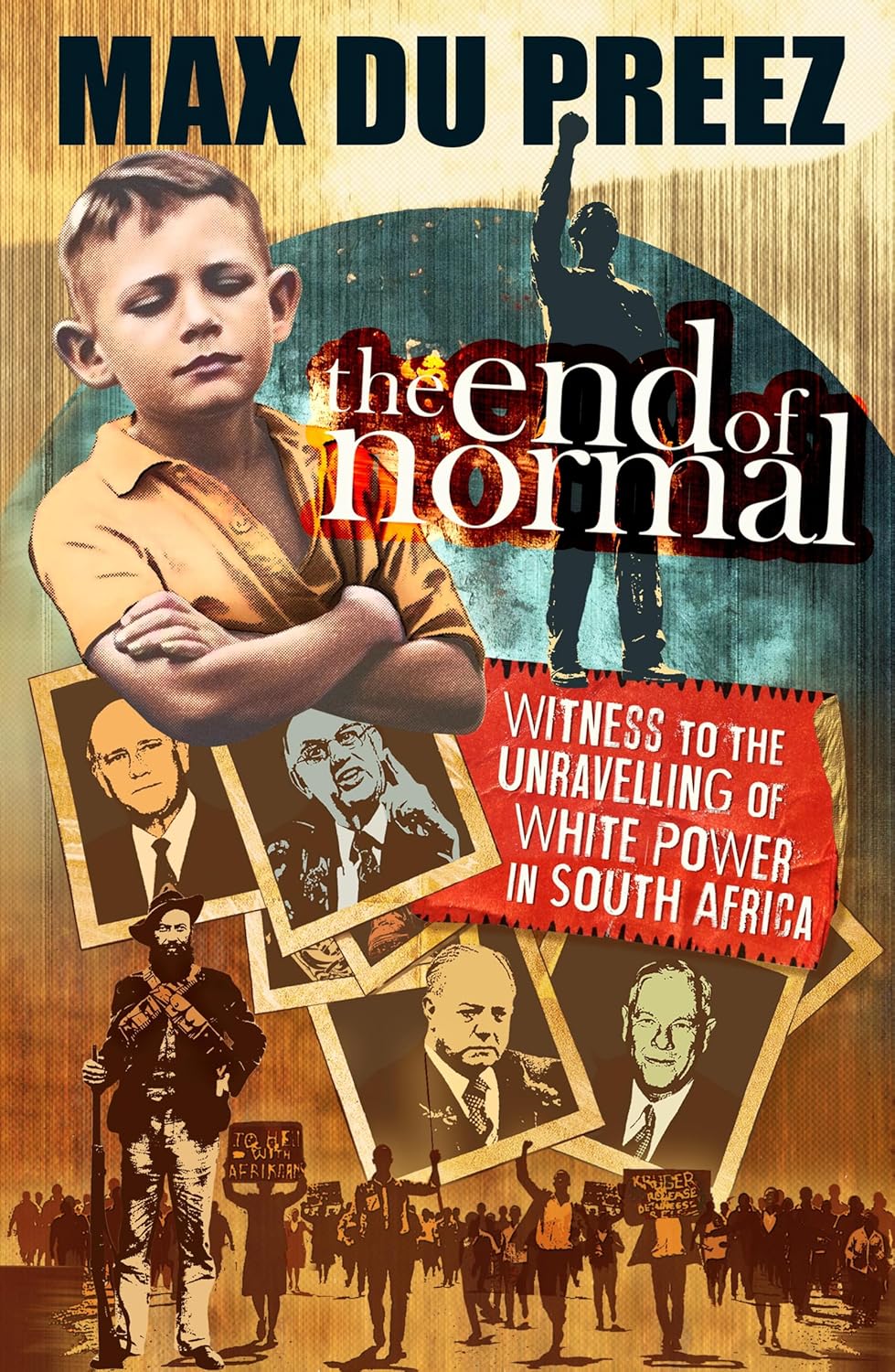
The End of Normal
In this highly readable account, replete with anecdotes, confessions and revelations, Du Preez pulls no punches.
Buy Online
 |
 |
 |
 |


In this highly readable account, replete with anecdotes, confessions and revelations, Du Preez pulls no punches.
|
|
|
|
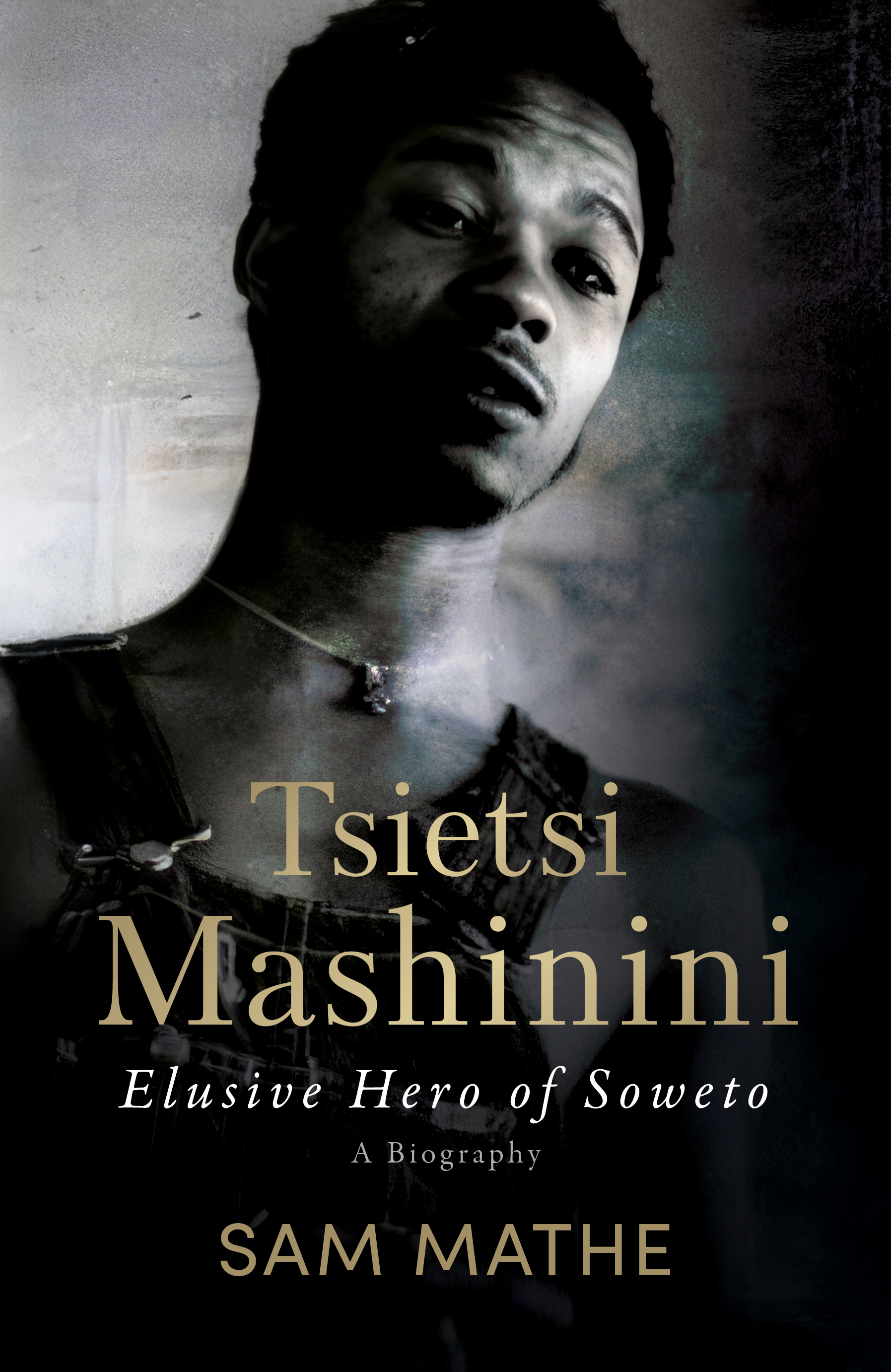
In his colourful and comprehensive account of Tsietsi Mashinini’s story, Mathe sheds new light not only on an exceptional leader, but also on the pivotal events of 16 June, some of which remain contested to this day.
|
 |
|
|
 |
|
 |
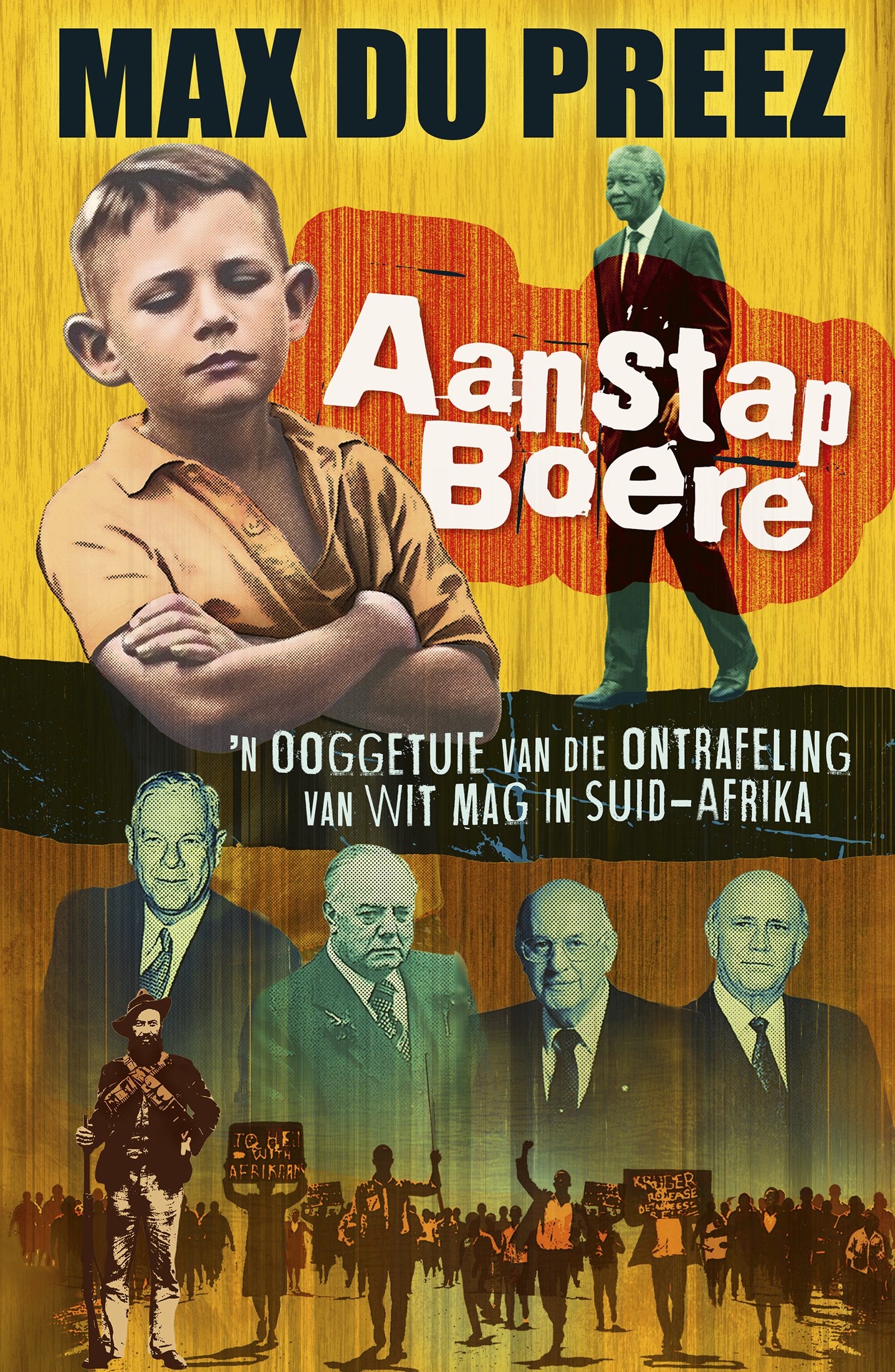
Du Preez ondersoek in dié rou relaas die laaste 50 jaar. Hoe kon kerkmense, sy eie pa inkluis, apartheid steun? Hoe het politieke verandering gebeur, en wat gaan vandag aan met AfriSol?
|
|
|
|
|
|
|

101 Remarkable South African Women gathers, for the first time, stories of 101 extraordinary women who shaped our past and present. From Krotoa and Olive Schreiner to Miriam Makeba, Thuli Madonsela, and Tyla, this inspiring, accessible book celebrates forgotten voices and showcases role models across history, art, politics, and culture.
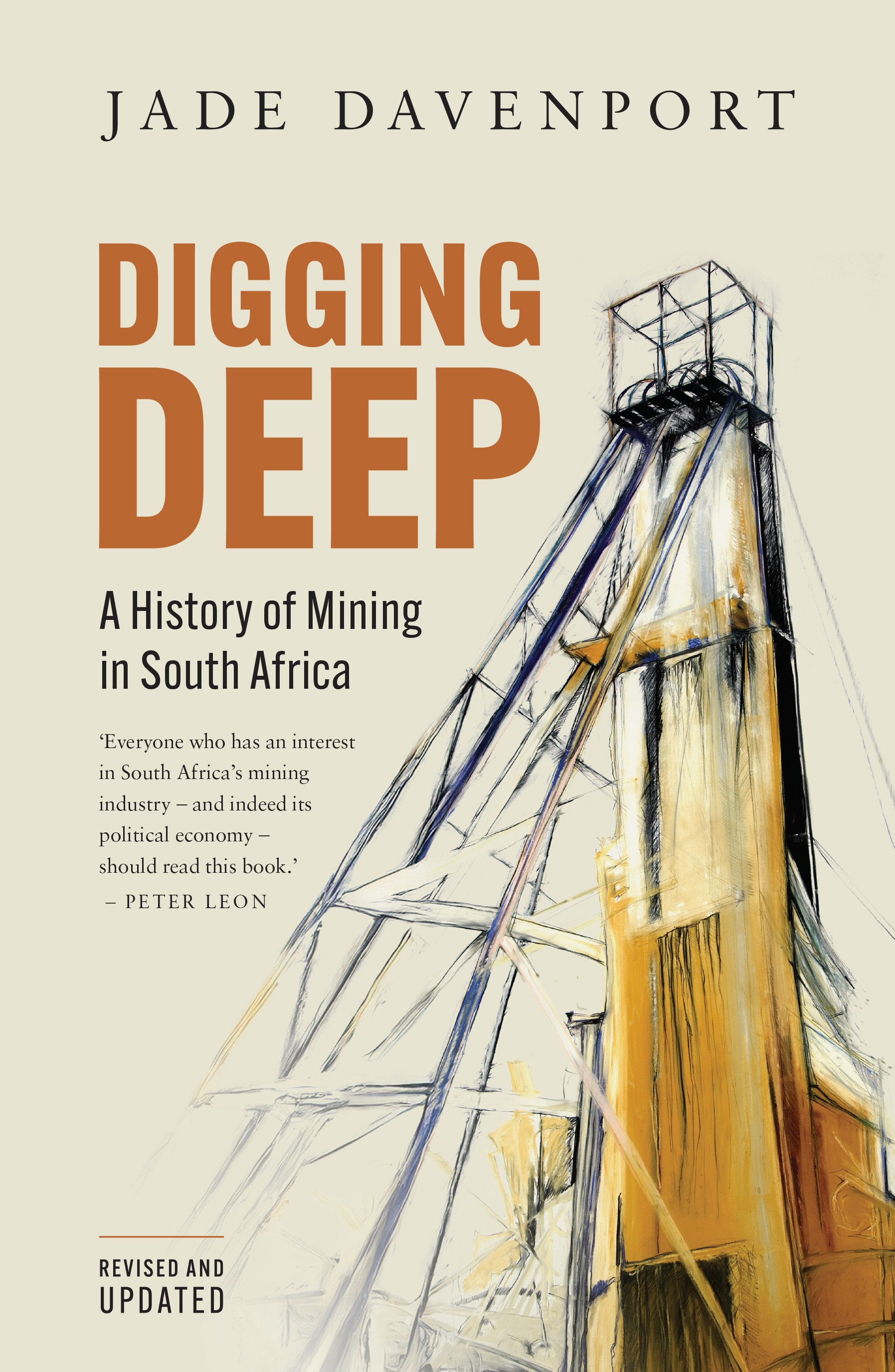
Digging Deep explores South Africa’s great mineral revolution – the
lucky strikes and the struggles of prospecting in the late 1800s, the
rushes to boom-and-bust towns in the Eastern Transvaal Goldfield,
the dubious beginnings of the Witwatersrand, and the stories of the
visionary men like Cecil Rhodes, Alfred Beit, Barney Barnato, Sir
Ernest Oppenheimer, Sammy Marks and Hans Merensky who
pioneered and shaped the industry on which modern South Africa
was built.
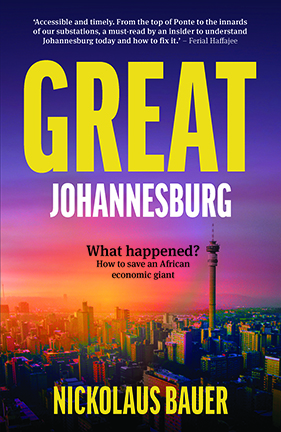
Great Johannesburg: What happened? How to save an African city is an urban planning and social analysis book examining Johannesburg’s challenges and potential solutions.
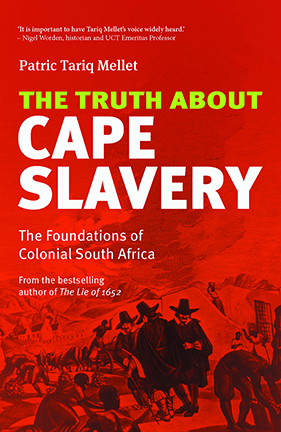
The Truth About Cape Slavery: The Foundations of Colonial South Africa by Patric Tariq Mellet is a comprehensive examination of the historical foundations of Cape slavery and its impact on South African society.
|
|
|

Why do the Japanese play rugby? How did Einstein help create Eskom? Johan Fourie explores these questions and many more in this fully revised and expanded second edition of his bestseller Our Long Walk to Economic Freedom. This enriching journey through an African-centred history reveals the roots and reasons for prosperity.
|
|
|
|
 |
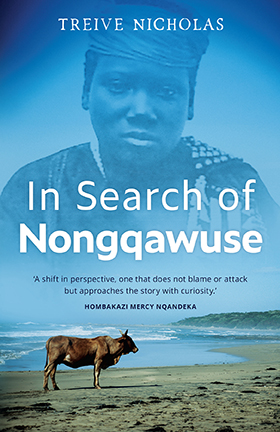
In 1856, a teenage girl led 40000 to their deaths in the Eastern Cape. When Treive Nicholas arrived in the 1980s to teach, he was captivated by the Wild Coast. Researching its history, he explores the Cattle Killing of 1856-1857. Was Nongqawuse a deceiver or a liberation leader? Treive’s quest spans continents, from South Africa to England, ending
|
|
|
|